【給蔡總統的一封信】
親愛的蔡總統:
我們的愛如何妨害公共秩序跟善良風俗?
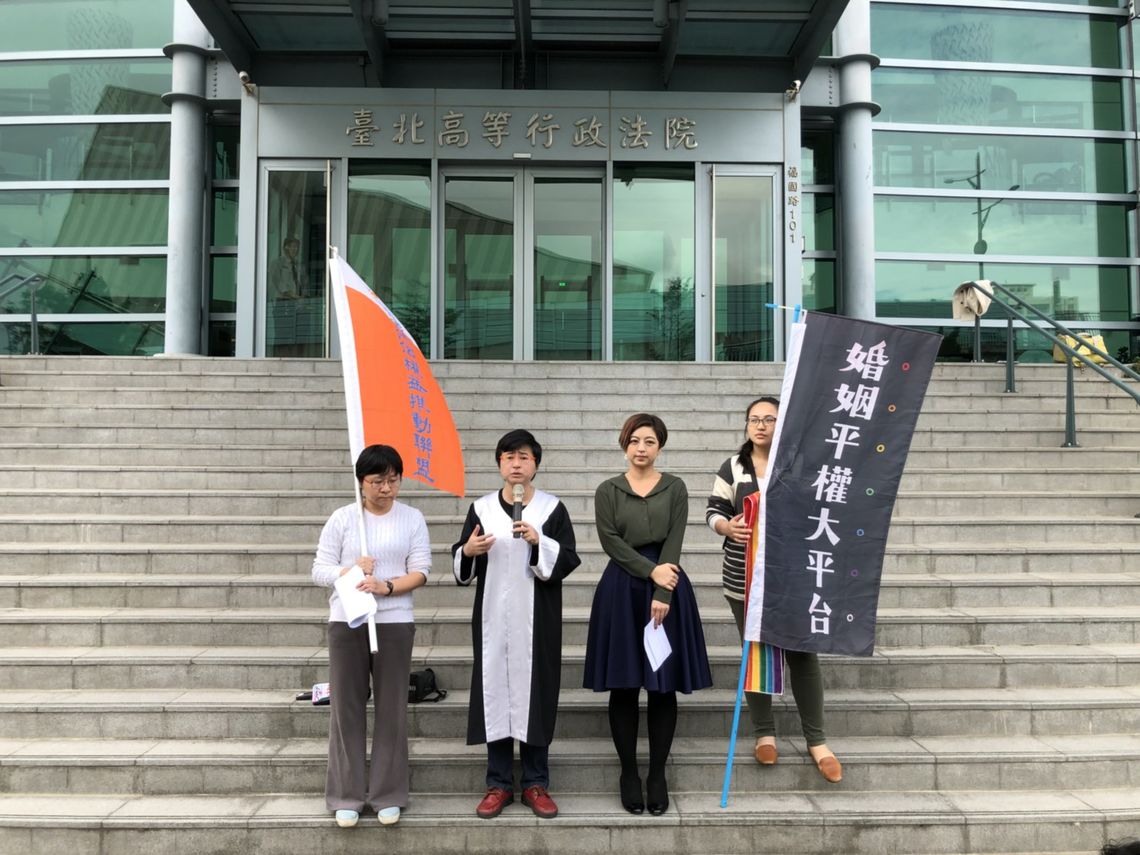
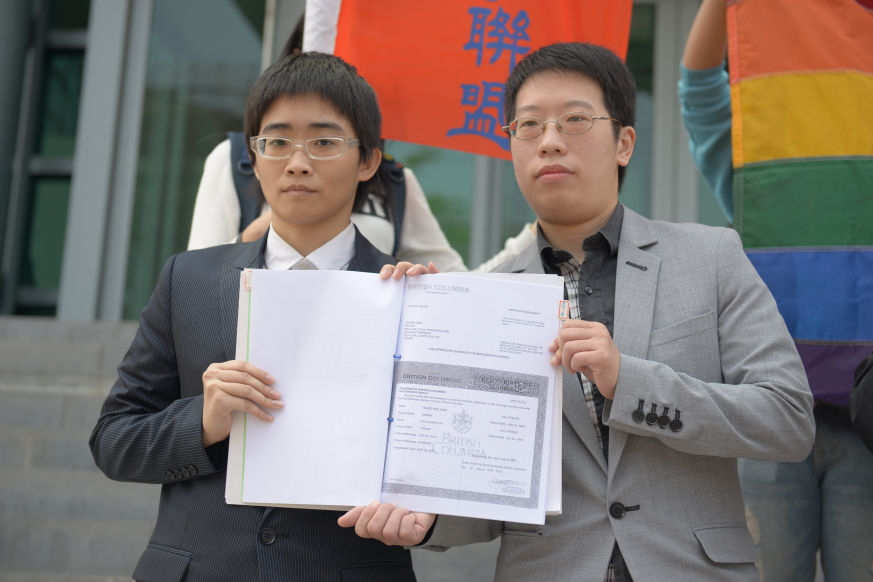
我是一個與南非籍公民結婚的台灣公民。我們的同性婚姻在南非舉行,為當地政府承認,也受到來自我們雙方家庭的祝福。因著蔡英文總統公開表達對於同性婚姻的支持,我決定帶著我的妻子回到台灣。我們的南非結婚證書經位於普利托里亞的駐南非共和國台北聯絡代表處驗證 ,所以我們也將結婚證明文件(以及相關佐證文件)帶回台灣,希望能在台灣登記我們的婚姻關係。然而,我們的申請不但遭到拒絕,我們的關係也遭到了羞辱。根據臺北市中正區戶政事務所於民國105年8月15日的發文第10530773100號的說明:「依本法適用外國法者,如其適用之結果如有妨害國內公序良俗,危及國內一般私法生活安定,不適用之。」
根據韋氏字典的定義,愛是「對於一個人強烈或持續的情感」。愛是關於一個人對另一個人的感覺。種族、國籍或是性別從來都不妨礙人的意願、能力或正當性去愛另一個人。愛,在沒有政治阻擾時是如此簡單。你知道你愛誰,而且你知道你是否想要跟這個人共同度過下半生。當這個願望需要具體化時,婚姻則成為將你帶抵那終點的載具。當有些人以操縱此載具滿足各式各樣的目的時,愛則不如人願地被分門別類為不同的階級–一種將制度性的歧視加諸於「非主流的愛」上的階層體制。
在我們的世界中,我們要的只是再簡單不過的東西:在一起。在一起,明確地帶來固有的權利與責任。「在一起」應該不需要更多的理由來說明這件事的正當性。想要與你愛的人在一起是最自然不過的需求,不需要再多做解釋,因此這更不是特權–這是人類最基本需求中最為純粹的樣態。借用諾迪奇(C. Waaldijk)教授的話,我們的婚姻狀態因被否決,我們藉以連結、建立和發展關係的權利也因此被侵犯與剝奪。在我們看來,否決我們的婚姻關係才是妨害國內公序良俗,危及國家所憑藉的一般私法生活安定性。
我們與其他相愛、互相珍惜與敬重並支持彼此的伴侶並無不同。我們的同性伴侶關係在歷經重重的困難後,也持續了超過十年之久而且歷久彌堅。我們這對伴侶是跨宗教(佛教與基督教)、跨種族(亞洲人與高加索人)以及跨國籍(南非人與台灣人)的組合,我們的婚姻也跟其他人的沒有什麼不同。但是為何我們的愛無法被祝福?難道是我們的愛不夠好?為何政治只考慮我們的性別而非我們的相愛?難道婚姻不是基於愛嗎?不然,為何有些人的愛可以被承認,而我們的愛則無法取得合法的地位?
台灣政府是否可以提出解釋,為何一對無論是事實上或是法律上都為已婚的伴侶,其中一方的婚姻狀態卻在返回母國後被消解、標示為「未婚」?我被迫在台灣的法律面前被宣稱為「未婚」,而在事實上、法律上都是我的配偶的南非籍伴侶,卻在她的母國為已婚狀態,難道這件事符合公共利益嗎?
親愛的蔡總統,請您告訴我,我到底是未婚還是已婚呢?
H Lu-Visser 2016/8/18
Dear President Tsai,
How does our love harm ordre public and morality?
I am a Taiwanese citizen that is married to a South African citizen. Our same-sex marriage was held and celebrated in South Africa with blessings from both sides of the family. With President Tsai’s stated support for same-sex marriage, I decided that it was time for me to return to Taiwan with my wife. Our South African marriage certificate was authenticated by the Taipei Liaison Office in Pretoria. With that marriage certificate, I attempted to register our marriage (together with other supporting documents) at the Household Registration Office. Our application was not only declined, but our relationship was insulted. In the response from Taipei City Zhongzhang District Household Registration Office, document number 10530773100, dated 15 August 2016, it claims that in circumstances where ordre public or morality are violated to the extent that jeopardises domestic private law and stability of daily life, that foreign law becomes inapplicable.
Love is defined by Merriam-Webster as “a feeling of strong or constant affection for a person”. It speaks about feelings that a person has for another person. Race, nationality or gender has never been included in the criteria of a person’s ability, capability or legitimacy to love. So love is simple when politics is absent. You know who you love and you know whether you wish to spend the rest of your life with this specific person. When that wish has the need to be materialised, the institution of marriage becomes the vehicle to transport you to that destination. In a world where some people steer this vehicle to serve myriad purposes, love is undesirably stratified into different classes. A hierarchical system of institutionalised discrimination against “non-mainstream love”.
In our world, we want the simplest things. That is to be together. That togetherness shall unequivocally bring about inherent rights and duties. And that togetherness should not require justification for its rightful entitlements. Wanting to be together with the person you love is the most natural need that requires no elaborations. It is therefore not a privilege. It is the purest form of humans’ most fundamental need. Adopting Professor C. Waaldijk’s terms, by denying our marital status, our rights to relate, establish and develop the relationship are violated and deprived. In our view, that denial is in violation of ordre pubic and morality as well as jeopardises the very principle of a country’s private law and stability of daily life.
We are just like any other couple that loves, cherishes, appreciates and supports each other. Our same-sex relationship lasted over a decade against all odds and is still going very strong. We are a couple of mixed religion (Buddhist and Christian), mixed race (Asian and Caucasian) and mixed nationality (South African and Taiwanese). Our marriage is no different from others. But then why is our love not celebrated? Why is our love not good enough? Why does politics only evaluate our gender and not our love? Is it not true that marriage is based on love? So why is there certain love that can be recognised and then our love is disqualified from having a legitimate status?
Could the Taiwanese government explain to us why a factually and legally married couple face a situation where the marital status of one spouse is forcefully reversed to “unmarried” when she returns to her own country? Is it in the public interest that I am declared single against my will in my own country, whereas my factually and legally married South African spouse then remains married?
Dear President Tsai, am I single or married?
Yours faithfully,
H Lu-Visser 2016/8/18